Well developed warden training drills transform plan into response. Theoretically, the chief warden collaborates, area wardens sweep, interactions circulation, and emptyings run like a train timetable. In practice, the initial min of a case decides whether individuals rely on the plan, adhere to directions, and reach a risk-free assembly point without confusion. Excellent drills develop that muscle mass memory. Terrific drills do much more: they appear weak points in systems and leadership, sharpen decision making under stress, and align your group's competence with governing obligations such as PUAFER005 and PUAFER006.
I have run and investigated loads of workouts in high workplaces, aged treatment, schools, light commercial, and health care. The patterns correspond. Drills do well when they reflect the site's actual threats and constraints, and when wardens educate to a clear requirement: calm interaction, definitive action, and accurate coverage. Below is a practical framework, grounded in experience, for making warden training circumstances that actually alter behavior.
The stakes for wardens and employers
In numerous offices, the emergency control organisation, or ECO, is a lineup on a noticeboard and a box of high exposure hats in a cabinet. During a smoke alarm at 11.12 am on fire warden training requirements a wet Tuesday, that slim layer of prep work is all that rests between order and turmoil. Individuals will certainly search for a leader. The chief warden's voice, guidelines from floor wardens, and the convenience of a well-known path to a recognized setting up area are what keep lifts empty, stairwells moving, and vulnerable team supported.
Regulators and standards committees understand this. In Australia, the PUAFER005 device covers exactly how to run as part of an emergency control organisation. The PUAFER006 system concentrates on exactly how to lead an emergency situation control organisation. With each other they underpin fire warden training, chief warden training, and emergency warden training across sectors. If your team completes a puafer005 course or a puafer006 course, they will certainly find out the theory. Drills turn that understanding into performance.
What "excellent" resembles in warden drills
I judge drills by 3 outcomes. Initially, wardens execute their roles in sequence without motivates. Second, residents abide promptly since guidelines are punctual, constant, and reliable. Third, the debrief identifies details, fixable renovations, not vague beliefs about "interaction." You can not achieve these end results by duplicating a simple building emptying two times a year. You require situations that stretch and concentrate the ECO, matched to risk.
A few markers of top quality: realistic time pressure, restricted details at the start, a clear trigger for rising or de escalating, and injects that force choices. For instance, a blocked stairwell on Degree 9 or a personnel with a wheelchair impairment that can not come down at regular speed. Another pen: your warden package is actually made use of. Radios, warden hats, lists, and floor plans should leave the cabinet. If the chief warden hat colour or fire warden hat colour system exists to signify authority under tension, everyone needs to see it at work throughout drills so that fostering is automated throughout an incident.
Aligning scenarios to website dangers and PUAFER competencies
PUAFER005, "operate as component of an emergency control organisation," expects wardens to accomplish guidelines, communicate, and help in discharge. PUAFER006, "lead an emergency situation control organisation," anticipates chiefs and deputies to assess, determine, straight, and communicate with emergency situation services. When you make drills, map each infuse to a required behavior. If the objective is to confirm that area wardens can move an open strategy floor and report green light within 4 mins, shape the situation so that the move is the traffic jam. If the objective is for the principal to stabilize contrasting reports and choose partial evacuation, feed them surprised info with comms.
The mix of scenarios must reflect your danger register. Web server rooms, kitchens, lithium battery storage, parking area, plant spaces, medical gases, labs, site visitor flow, childcare on site, and after hours staff all change the danger profile. In a workplace tower, one drill might concentrate on a fire alarm from a mechanical floor with smoke migration to 2 levels above. In an aged care facility, an area emptying technique matters greater than a complete site evacuation, and the emergency warden course content needs to reinforce resident transfer techniques and horizontal movement throughout fire compartments.
Roles, authority, and the exposure problem
A surprising quantity of complication in the first two mins comes down to presence and authority. People respond to clear signs. Warden hats, vests, and lanyards do more than tick a conformity box. They grant instantaneous authenticity in jampacked passages and stairwells. I have seen evacuations delay since the loudest voice came from a senior supervisor instead of the warden. Noticeable role pens aid protect against that cross talk.
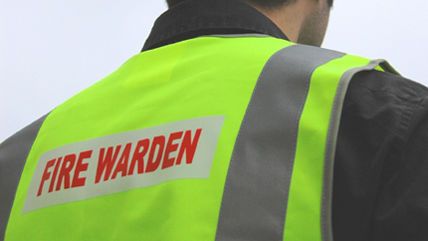
Questions concerning hat and headgear colours show up in every fire warden course. The normal convention utilized on many sites is red for wardens and white for primary wardens, sometimes with added markings for replacements or interactions. Your local criterion or company plan might vary, so codify it in the website emergency situation strategy and train to it. When a person asks, "what colour helmet does a chief warden wear," you want a solitary answer that is published on the poster near the panel and strengthened during every drill. The exact same goes for radio telephone call indicators and network use.
Designing the yearly drill program
One pierce a year is insufficient for a multi tenant building or complex threat setting. Alternatively, month-to-month discharges are unneeded and disruptive. Go for a blended program: two to four organized exercises across the year, each with an unique focus, sustained by short tabletop sessions and mini drills for interactions and decision production. New wardens need extra technique in their initial quarter.
A well balanced program might include a complete structure discharge, a partial or presented discharge, a communications work out with no physical motion, and a situation that checks a non fire hazard such as a gas leakage, dubious plan, or power failure. Revolve the moment of day to capture different tenancy patterns. Rotate the beginning area so all floors are tested across the year. Consist of an after hours test if you have prolonged operations.
Building blocks of effective scenarios
The best drills have clear beginning conditions, live injects, defined duties for controllers and observers, and a brief, focused debrief. Start problems need to imitate reasonable triggers: smoke detector activation, warmth detector, hands-on telephone call factor, emergency situation telephone call to reception, or a report to security. Stay clear of revealing the precise scenario to wardens prior to it starts. The unpredictability belongs to the learning.
Injects are managed items of details or problems fed to individuals at established times. A warden locates a secured fire door. A person refuses to evacuate. The lift parks at the very beginning with guests inside. A radio battery passes away. These injects disclose exactly how the team focuses on and adjusts. Use viewers on each floor to tape-record timing, behaviors, and bottlenecks.
A core discharge drill: anatomy and detail
Start with your standard, the full discharge drill. This is where fire warden requirements in the workplace are most noticeable. You are examining sweep insurance coverage, stairwell flow, setting up monitoring, roll count, and re entrance control.
Pick a starting zone with sufficient tenancy to check communications, but not the busiest flooring throughout quarter end. Short building administration, center services, and renters on the time home window and objective. Do not release the floor or sequence.
At T0, the alarm triggers on the initiating floor and surrounding floorings move to inform. The chief warden, recognisable by the chief warden hat, heads to the panel and checks the point of beginning. Communications starts the typical message. Area wardens on the launching floor start the sweep, using loud, clear voice commands, and carefully checking spaces, washrooms, and utility rooms. They report "flooring clear" just when it is true.
Good groups maintain their radio messages short. Floor 14 green light at three minutes twenty. Stairwell A congested, divert to Stairwell B. Lift vehicle 3 inhabited, safety and security notified. If you hear long, conversational updates, train for brevity. The chief warden monitors timing and decides whether to leave extra floorings. If the circumstance includes smoke movement, intensify accordingly.
At the setting up location, the replacement principal and interactions warden handle roll checking with wardens organized by flooring. If your site uses digital roll, test the gadget and the backup paper list. Somebody will always arrive without a phone, so do not depend on a single system. The chief warden gets records, keeps in mind any type of missing out on persons, and liaises with the fire solution on arrival.
By the 10 minute mark, you must have a clear picture of whether the ECO can relocate people securely and account for them. Go for fundamental goals: a lot of floorings swept within 4 minutes, stairwell congestion took care of, elevators protected, and assembly reports finished in 12 to 15 minutes relying on building dimension. Huge websites will take longer, and that is great if circulation is controlled and interaction is crisp.
Partial evacuations and choice training
Many modern-day structures have organized alarm systems and smoke control that enable partial emptying. These systems decrease disruption but demand far better decision production. This is where PUAFER006 lead an emergency control organisation becomes important.
Design a scenario where only the fire floor and two floors above most likely to emptying while others remain on alert. Feed the chief warden unequal info: a smoke detector on Degree 7, an obscure odor reported on Degree 8, and an upkeep professional working in the riser. View how they triage. Do they send a warden to confirm a report before escalating the discharge? Do they advise unaffected floors to prepare but remain in position? Do they take care of the building's cooling and heating via the panel or call the service technician? These are the judgments that divide competent leaders from box tickers.
During debrief, discuss the compromise in between speed and verification. A dud with complete structure discharge expenses efficiency and wears down trust fund. A slow-moving reaction to a growing fire costs lives. Chiefs should sharpen a bias for activity while making use of the very first one minute to slim unpredictability. Show them to choose, connect it, and review it as brand-new info arrives.
Communications micro drills
Radios are both a blessing and a curse. They attach the ECO, yet they also attract people to tell their activities. Micro drills, 5 mins each at the start of a shift or a tool kit conference, build technique. Someone plays principal, 3 play floor wardens. The controller calls out injects. The team practices abrupt updates: area, condition, activity, requirement. Turn roles. Examination dead batteries, stuck mics, and channel adjustment mistakes. Interaction top quality frequently enhances a lot more in two weeks of mini drills than in a solitary big evacuation.
Non fire situations that matter
Fire warden training ought to never ever imply fire just. The emergency warden function covers medical emergency situations, gas leakages, bomb threats, fierce trespassers, chemical spills, flooding, and power blackouts. You can not mimic whatever literally, and some scenarios, like a person armed with a weapon, are best taken care of as regulated discussions with protection and authorities advice. Still, the ECO needs to comprehend its responsibilities.
A gas leakage situation checks whether wardens can isolate a location, restriction ignition sources, and aerate securely. A questionable plan circumstance examinations cordon facility, accessibility control, and interaction with authorities. A clinical emergency tests synchronised action: one warden collaborates and calls emergency services, an additional controls onlookers and lifts, a qualified very first aider supplies care. The chief warden equilibriums incident administration with structure impacts.
In a lab or plant environment, drills for spills and direct exposures issue. Exercise putting on spill PPE, placing absorbent booms, and using eyewash terminals. Do not transform this right into cinema. Focus on what wardens need to do quickly: separate, evacuate if required, and hand over to the skilled -responder team.
Training brand-new wardens and rejuvenating veterans
New wardens commonly are reluctant the first time they advise colleagues to leave their desks. Training needs to stabilize that authority. Throughout a puafer005 course, consist of short duty plays: method a senior supervisor, provide a clear discharge direction, and escort them to the stairwell. It really feels awkward just once. After that, it becomes routine.
Experienced wardens get obsequious. They know the leaves and number they can improvise. Break that routine with shocks that force re examination: a leave shut for construction, a blocked corridor, a relocated setting up location because of roadworks. Maintain shocks risk-free and controlled, and never ever placed any individual at risk, yet do challenge assumptions. Trust expands when people see the ECO maintain its equilibrium while plans change.
Special populaces and accessibility
Fire warden requirements in the work environment consist of preparing for individuals who can not evacuate without help. That includes individuals with flexibility problems, maternity, injuries, stress and anxiety, site visitors, and language obstacles. If your drill program does not address these truths, it will stop working during an actual incident.
Create a confidential individual emergency situation emptying strategy register. During drills, use volunteers to mimic assistance demands if proper. Exercise secure motion to haven factors, use of discharge chairs if your policy sustains them, and team tasks that ensure nobody is left without assistance. The chief warden ought to have a basic means to track these assistances throughout a rapid relocating scenario.
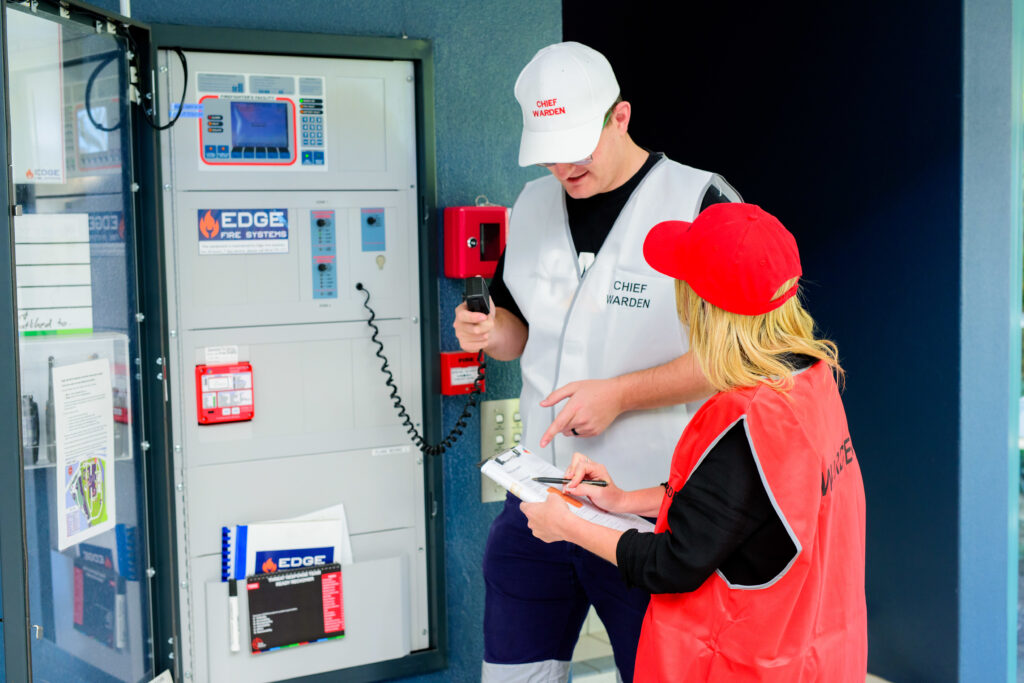
The question of hats, safety helmets, and signals
People keep in mind visuals. Colour conventions exist to provide quick cues in a loud hallway. Numerous workplaces use white for the chief warden hat and red for fire wardens. Others add yellow for communications and eco-friendly for emergency treatment. Consistency matters greater than the exact palette, yet one policy assists: make the chief warden hat colour unique and easily noticeable at range. When somebody asks on the first day, "what colour helmet does a chief warden wear," your response must match the gear you in fact release, the posters, and what personnel see throughout drills. Bring the kit to every circumstance. A warden vest left in a drawer does nothing.
Documentation, proof, and the compliance thread
Regulators and insurance companies desire proof that your emergency warden training is genuine. Maintain a drill log with dates, times, objectives, individuals, outcomes, and actions. Maintain duplicates of layout made use of, radio check documents, and debrief notes. Link each circumstance to proficiencies from puafer005 operate as part of an emergency control organisation and puafer006 lead an emergency control organisation. When auditors request for your fire warden training requirements and outcomes, you can reveal not only attendance yet performance.

If you run a chief warden course or chief fire warden training, add a choice log design template. During drills, the acting chief jots down significant choices, times, and reasons. That tiny habit builds responsibility and helps in challenging incidents. It also improves debrief quality due to the fact that you can compare perceived timing to real timing.
Debriefing that drives change
The debrief is where drills earn their maintain. Stay clear of the trap of a long, unfocused discussion where everyone uses opinions and nothing adjustments. Begin with truths: times, clearances, congestion points, communication misfires. After that record 2 to four certain enhancements with proprietors and due dates. Examples include reprogramming a radio network, relocating a printer that obstructs a corridor, upgrading setting up location signage, releasing spare batteries, or clearing up the function of safety in elevator control.
Be fair. Drills expose system concerns as commonly as private blunders. If a warden missed out on a storage room throughout a move, address it with method and a list, not condemn. If stairwell flow delayed due to a bottleneck at a landing, think about physical adjustments or an adjustment in evacuation sequencing. Release the end results so the broader workforce sees that drills result in action.
Scenario ideas you can raise and use
Here are five tried and tested situations. Adjust them to your site.
- Alert and leave with a blocked main departure: Initiate an alarm system on a mid degree flooring. Place a controller at the primary leave to announce a simulated obstruction. Wardens need to reroute circulation to the additional course and report the adjustment. Procedure move time effect, stairwell equilibrium, and communications discipline. Smoke movement test: Trigger a smoke alarm near a mechanical space. After initial discharge of the fire flooring, inject a light smoke record on the floor above. The chief warden should make a decision to evacuate that floor while holding others at sharp. Observe timing of announcements and the clarity of directions to unaffected floors. Lift entrapment during emptying: Midway via a complete emptying, inject a lift auto with occupants stuck in between floorings. Safety and security takes care of lift treatments, while the ECO must keep individuals away from the lift entrance hall and proceed emptying. Debrief the division of responsibilities and whether radio web traffic remained focused. Medical emergency situation throughout partial evacuation: Start with an alarm system on one flooring. Inject a medical emergency situation two floorings away. Monitor the principal's capability to assign a warden to lead paramedics, maintain emptying control, and prevent radio congestion. Inspect handover quality. After hours scenario with minimal staff: Run a table top or tiny scale drill at 7 pm with only a handful of wardens on website. Practice solitary warden moves, use passkey, and remote interaction with the available chief. Videotape the spaces and adjust the after hours roster.
These circumstances develop choice points for both wardens and principals, line up with puafer005 and puafer006 abilities, and expose practical problems you can fix.
Common risks and just how to avoid them
Two errors derail lots of programs. The very first is treating drills as compliance cinema. Individuals sense when the result is determined. Keep scenarios fresh, differ information, and impose criteria. If somebody props a fire door open with a chair, capture it as an activity. The second is neglecting human factors. In a Additional reading real alarm, someone will freeze, somebody will certainly argue, and someone will attempt to utilize the lift. Train wardens to expect these actions and utilize clear, confident language. Script a few phrases that function: Please leave now. Do not use the lift. Follow me to Stairwell B. Short, firm, polite.
Another challenge is overusing email to prepare individuals. It has its place, especially for tenants and site visitors, but it can not change a practiced voice over a speaker. If your messages are stifled or long, fix them. A crisp statement from the chief warden lowers questions and rates movement.
Finally, examine the tiny things. Radio batteries billed. Spare vests offered. Layout present after a fit out. The chief warden responsibilities consist of readiness, not only feedback. I maintain a basic pre drill ritual: touch the radios, touch the hats, check the panel keys, examine the lineup. Tiny practices stop large failures.
Choosing training companions and courses
If you outsource training, try to find service providers who tailor drills to your website and can deliver both a warden course aligned to puafer005 and a chief warden course lined up to puafer006. Inquire to run a void analysis on your emergency strategy and to include observers who produce timing information and a short, workable report. Quality carriers will certainly also attend to edge cases: handicapped discharge strategies, specialist administration, and visitors. For the chief fire warden, select training that exceeds lists and right into practical case command and liaison with fire services.
Formal discovering matters, but do not allow it replace interior ownership. The best programs pair exterior programs with interior leaders who promote technique. Provide your chief emergency warden authority to arrange drills, request upkeep changes that affect egress, and quick executives. If you deal with the ECO as a real team rather than a list of names, efficiency improves.
The peaceful wins that foreshadow success
After a year of great drills, you will certainly notice tiny, telling adjustments. Wardens get to the panel before the chief asks. Radio calls get shorter. Individuals stand and reach for their jackets when the sharp tone seems rather than awaiting a third news. New team can indicate their closest leave without checking out. The chief fire warden responsibilities really feel less abstract because the group has actually lived them under safe pressure.
Those peaceful wins substance. They are the difference between a confused structure and a self-displined evacuation when the alarm sets off genuine. The plan, the hats, the courses, and the signage all issue. But it is the style of your method circumstances, and the treatment you put into running and debriefing them, that converts a composed emergency strategy into an exercised, reliable response.
Take your leadership in workplace safety to the next level with the nationally recognised PUAFER006 Chief Warden Training. Designed for Chief and Deputy Fire Wardens, this face-to-face 3-hour course teaches critical skills: coordinating evacuations, leading a warden team, making decisions under pressure, and liaising with emergency services. Course cost is generally AUD $130 per person for public sessions. Held in multiple locations including Brisbane CBD (Queen Street), North Hobart, Adelaide, and more across Queensland such as Gold Coast, Sunshine Coast, Toowoomba, Cairns, Ipswich, Logan, Chermside, etc.
If you’ve been appointed as a Chief or Deputy Fire Warden at your workplace, the PUAFER006 – Chief Warden Training is designed to give you the confidence and skills to take charge when it matters most. This nationally accredited course goes beyond the basics of emergency response, teaching you how to coordinate evacuations, lead and direct your warden team, make quick decisions under pressure, and effectively communicate with emergency services. Delivered face-to-face in just 3 hours, the training is practical, engaging, and focused on real-world workplace scenarios. You’ll walk away knowing exactly what to do when an emergency unfolds—and you’ll receive your certificate the same day you complete the course. With training available across Australia—including Brisbane CBD (Queen Street), North Hobart, Adelaide, Gold Coast, Sunshine Coast, Toowoomba, Cairns, Ipswich, Logan, Chermside and more—it’s easy to find a location near you. At just $130 per person, this course is an affordable way to make sure your workplace is compliant with safety requirements while also giving you peace of mind that you can step up and lead when it counts.